




How to Choose High-Quality Pet Supplies (Dog Beds & Cat Trees)
1. Clarify Pet Characteristics & Usage Scenarios
The selection of dog beds and cat trees should first match the pet's size, age, living habits, and the specific usage scenario. Key points to note:
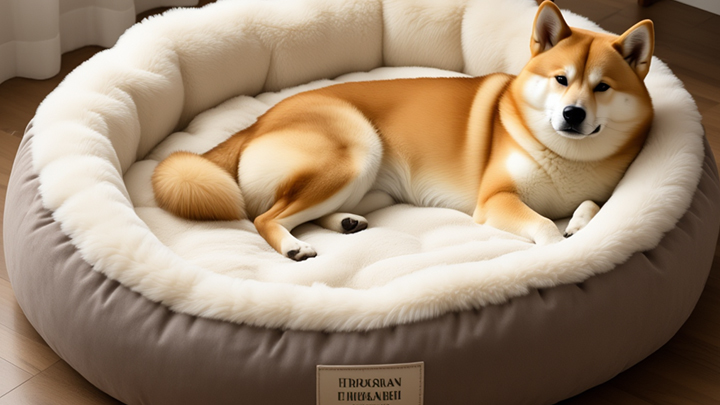
- For Dog Beds: ① Size Matching: Choose a bed that allows the dog to lie flat, stretch, and turn freely. For small dogs (e.g., Chihuahuas), a compact, enclosed bed can provide a sense of security; for medium to large dogs (e.g., Labradors), a spacious, flat-bed or orthopedic bed is more suitable.
② Age & Health Needs: Senior dogs or those with joint issues require orthopedic dog beds with memory foam or latex padding to relieve pressure on joints. Puppies need durable, easy-to-clean beds to adapt to their chewing habits. ③ Usage Scenarios: Indoor home use can prioritize comfort (e.g., soft plush beds); pet hotels or high-traffic areas need wear-resistant, waterproof, and easy-to-disassemble-clean beds.
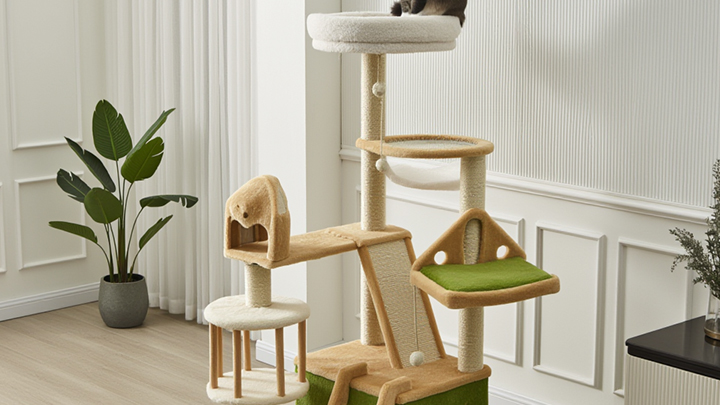
- For Cat Trees: ① Size & Activity Level: Consider the cat's size and climbing habits. Kittens or small cats can use smaller cat trees with low platforms; adult cats or active breeds (e.g., Bengals) need taller, multi-level cat trees with more climbing posts and resting platforms. ② Space Adaptation: For small homes, choose compact, wall-mounted cat trees to save space; for large spaces (e.g., pet cafes), multi-functional cat trees with tunnels, hammocks, and scratching boards are ideal. ③ Usage Frequency: High-frequency use scenarios (e.g., pet hotels) require cat trees with sturdy structures and wear-resistant materials to withstand long-term use.
- Special Scenarios: Pet-friendly malls or hotels should choose pet supplies that are non-toxic, odorless, and have a simple, durable design that fits the overall space style, while ensuring they do not pose a safety hazard to pets or humans.
2. Inspect Material Quality & Safety
The material of pet supplies directly affects the safety and health of pets. High-quality products use non-toxic, durable, and pet-friendly materials. Key checks:
- Dog Bed Materials: ① Filling: Prioritize high-density foam, memory foam, or natural latex filling—these materials have good resilience, are not easily deformed, and can provide effective support. Avoid low-quality cotton filling that clumps or collapses easily. ② Cover: Choose removable, washable covers made of pet-friendly fabrics (e.g., waterproof Oxford cloth, soft plush, or anti-chew canvas). Ensure the fabric is non-toxic, odorless, and free of loose threads that could be ingested by pets. ③ Bottom: A non-slip bottom (e.g., rubber dots) prevents the bed from sliding when the dog moves.
- Cat Tree Materials: ① Main Structure: The frame should be made of solid wood or high-quality plywood that is sturdy and not easily wobbled. Avoid low-quality particleboard that is prone to splitting. ② Scratching Posts: Use natural sisal rope or cardboard—these materials satisfy cats' scratching instincts and are durable. Avoid synthetic materials that are harmful to cats' paws. ③ Platform & Hammock: The surface should be covered with soft, wear-resistant fabric (e.g., plush, faux fur) that is non-toxic and easy to clean. Ensure all connections (screws, bolts) are secure and covered to prevent injury to cats.
-General Safety: All materials should be free of harmful substances such as formaldehyde, heavy metals, or toxic dyes. For chew-prone pets, ensure the product has no small, detachable parts that could cause choking.
3. Focus on Comfort & Functional Design
Comfortable design and practical functions can greatly improve the pet's use experience. Key considerations:
4. Evaluate Structural Stability & Durability
Structural stability and durability are key factors for long-term use, especially for active pets. Key evaluation points:
5. Check Certifications & After-Sales Service
Reliable certifications and after-sales service ensure the safety of pet supplies and a worry-free purchase experience. Key points:
- Dog Bed Comfort & Function: ① Ergonomic Design: Orthopedic beds should fit the dog's body curve to relieve joint pressure. Enclosed beds with raised edges can provide a sense of security for shy or anxious dogs. ② Temperature Adaptability: For hot climates, choose cooling dog beds with breathable mesh fabric; for cold areas, opt for warm, insulated beds (e.g., with fleece lining). ③ Easy Maintenance: Removable and machine-washable covers save cleaning time, which is essential for maintaining hygiene.
- Cat Tree Comfort & Function: ① Multi-level Layout: Cats love to climb and perch high, so a multi-level design with different height platforms allows them to observe their surroundings. ② Diversified Functions: Integrate scratching posts, tunnels, hammocks, and hiding boxes to meet cats' natural behaviors (scratching, climbing, resting, playing). ③ Comfortable Perches: Platforms should be spacious enough, with soft padding (e.g., plush, memory foam) to ensure comfort during rest.